
1 Mission St, San Francisco, CA 94105
G Parho Travel How Travel Changes the Way You See Ordinary Life

How Travel Changes the Way You See Ordinary Life

Travel is often associated with adventure, relaxation, and the excitement of exploring somewhere new. Whether it’s a weekend getaway or a journey across the world, traveling allows us to step outside our usual routines and experience unfamiliar environments. While the memories and photos are valuable, one of the biggest benefits of travel often appears after the trip is over. Returning home after visiting different places can change how you view your everyday life. Things that once seemed ordinary may suddenly feel more interesting, meaningful, or worthy of appreciation. Travel has a unique way of expanding perspective and helping people see familiar surroundings through a different lens.

You Become More Aware of Daily Comforts

One of the first things many travelers notice after returning home is a renewed appreciation for everyday comforts. Familiar routines, favorite meals, and even your own bed can feel surprisingly valuable after spending time away. Experiencing different accommodations, transportation systems, and daily habits helps highlight the conveniences that are often taken for granted. Travel creates contrast, and that contrast can make ordinary aspects of life feel more meaningful and enjoyable.

Everyday Places Feel More Interesting
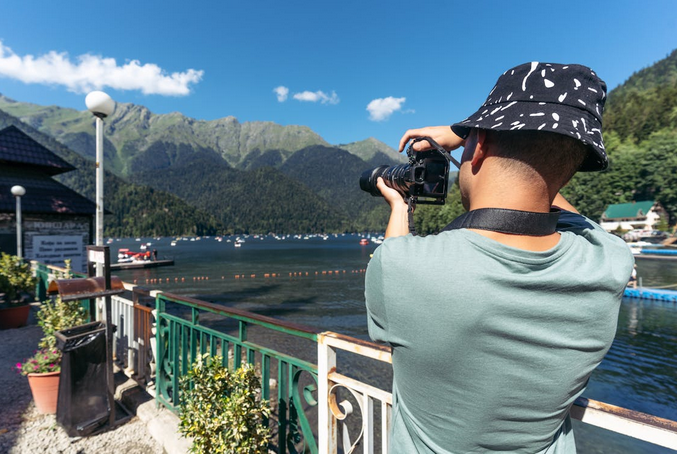
When you’re traveling, it’s common to pay close attention to your surroundings. You notice architecture, local customs, parks, shops, and small details that make a destination unique. Interestingly, this heightened awareness can continue after you return home. Many people begin noticing details in their own neighborhoods that they previously overlooked. Streets, cafés, landmarks, and local attractions may suddenly seem more interesting. Travel encourages curiosity, and that curiosity often carries over into everyday life.

Different Cultures Expand Your Perspective

Meeting people from different backgrounds and experiencing different ways of life can change how you view your own routines and assumptions. Travel exposes you to new ideas, traditions, and values that may differ from what you’re accustomed to. This broader perspective often leads to greater appreciation for diversity and a deeper understanding of how people live around the world. As a result, everyday situations at home may be viewed with more openness and less judgment, creating a richer outlook on life.

You Learn to Appreciate Simplicity

Travel doesn’t always go exactly as planned. Delayed flights, language barriers, unexpected weather, and schedule changes can all become part of the experience. These moments often teach flexibility and patience. After returning home, many travelers find that small inconveniences feel less significant than they once did. The ability to adapt while traveling can make everyday challenges seem more manageable, encouraging a calmer approach to daily life.

Routines Gain New Meaning

Stepping away from regular responsibilities often provides a fresh perspective on routines. During travel, familiar habits are temporarily replaced with new experiences, making it easier to evaluate what truly matters. When you return, activities like morning coffee, family dinners, exercise, or evening walks may feel more intentional and enjoyable. Travel creates enough distance to help people recognize the value hidden within their normal routines.

New Experiences Inspire Personal Growth
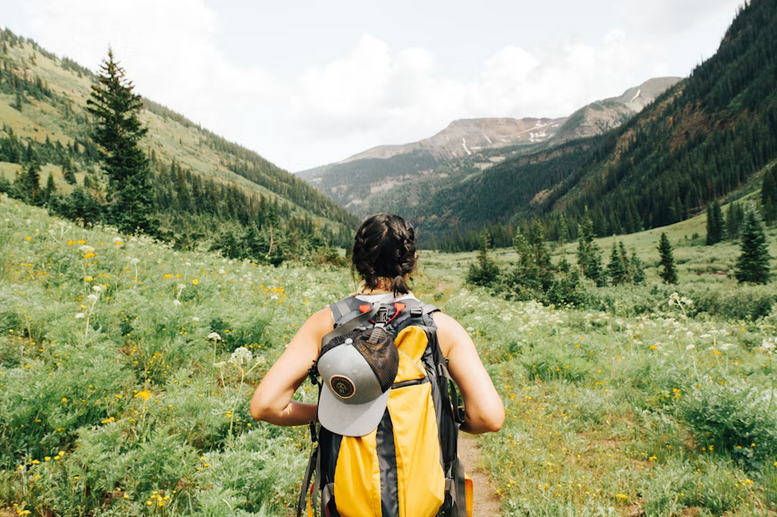
Travel often encourages people to try things they might not normally consider. Whether it’s tasting unfamiliar foods, navigating a new city, or communicating across language differences, these experiences build confidence and adaptability. That growth doesn’t stay behind when the trip ends. Many travelers return home feeling more willing to explore opportunities, learn new skills, or approach life with greater curiosity. Ordinary life can become more exciting simply because your mindset has expanded.

Gratitude Becomes Easier to Practice

One of travel’s most lasting effects is fostering gratitude. Seeing different living conditions, cultures, and lifestyles often helps people better understand their own circumstances. This perspective can encourage greater appreciation for relationships, opportunities, and everyday experiences. Instead of focusing solely on what’s missing, travelers often become more aware of what they already have, making ordinary moments feel more rewarding.

Travel changes more than just your location—it changes your perspective. By stepping outside familiar routines and experiencing different places, cultures, and ways of life, you gain a deeper appreciation for the world around you. Perhaps most importantly, travel helps you return home with fresh eyes, allowing you to see everyday life in a way that feels more meaningful, interesting, and rewarding. Sometimes, the greatest gift of travel isn’t what you discover elsewhere, but what you learn to appreciate when you come back home.

Related Post

Is Tourism Ruining the World? How to Travel More ResponsiblyIs Tourism Ruining the World? How to Travel More Responsibly

Travel is one of life’s greatest pleasures. It opens minds, connects cultures, and brings unforgettable experiences. But as tourism booms, so does the pressure it puts on our planet, local communities, and cultural landmarks. In 2025, the travel industry is bigger than ever—and so are the consequences. From overcrowded cities to environmental damage, many are starting to ask the hard question: Is tourism ruining the world?

The good news? We don’t have to stop traveling. But we do need to start doing it differently. Here’s how to be part of the solution instead of the problem.

Over-Tourism Is Real—and It’s Hurting Local Communities

We’ve all seen the photos: overflowing streets in Venice, long lines at Machu Picchu, packed beaches in Bali. Over-tourism doesn’t just ruin the vibe for travelers—it seriously impacts the quality of life for locals. Rising rent prices, traffic congestion, and the displacement of residents are just a few issues caused by excessive tourism. Being mindful of where you go—and when—can make a huge difference. Choosing lesser-known destinations or traveling during the off-season helps ease the pressure.

The Environmental Cost Is Higher Than You Think

Flights, cruises, and the construction of mega resorts all leave a heavy carbon footprint. Natural resources like water and energy are often overused in tourist hotspots, and fragile ecosystems can be damaged beyond repair. Responsible travel means being conscious of these impacts. That could mean taking fewer flights, supporting eco-certified accommodations, or simply rethinking how often—and how far—you really need to go.

Cultural Erosion Is Happening Under Our Noses

sea

Mass tourism can sometimes reduce a culture to a performance, stripping it of its authenticity. Locals may alter their traditions or even abandon them to cater to tourist expectations. Sacred spaces become Instagram backdrops. Local art becomes mass-produced souvenirs. The result? A watered-down version of a culture that exists more for outsiders than for those who actually live it. Responsible travelers take the time to learn, listen, and engage with respect, not entitlement.

Voluntourism Isn’t Always Helpful

It might feel good to “give back” while traveling, but not all volunteer opportunities are created equal. Many short-term volunteer programs do more harm than good, especially in communities that become dependent on untrained visitors. Instead of jumping into voluntourism blindly, look for long-term organizations with clear community-led goals—or better yet, support local economies through ethical spending.

Your Money Has Power—Spend It Thoughtfully

Where you spend your money while traveling matters. Choosing to eat at local restaurants, stay in family-run guesthouses, and buy directly from artisans helps keep tourism dollars in the community. Big international chains often extract wealth without giving much back. A little research before your trip can help you find businesses that prioritize fair wages, sustainability, and community investment.

Traveling Responsibly Doesn’t Mean Traveling Less

You don’t have to give up your travel dreams to make a difference—you just need to travel more consciously. Slow travel, longer stays, and deeper cultural engagement aren’t just more sustainable—they’re also more rewarding. It’s about quality over quantity. Fewer trips, maybe, but better ones. Those who give back as much as they take.

Tourism isn’t inherently bad—but how we travel matters. The choices we make as travelers have real consequences, both good and bad. By being more thoughtful about where we go, how we spend, and how we interact, we can help ensure that the world’s most beautiful places stay beautiful—for locals and future travelers alike.

resort-Thailand

How to Choose a Friendly ResortHow to Choose a Friendly Resort

There are many hotels and restaurants in Thailand that you can visit during your vacation. Many factors should be considered when searching for a resort for your vacation or family trip. You can enjoy your vacation by choosing a great resort for your stay. The right combination of price, location, and convenience can make a huge difference when visiting a new place. Ideally, you should that offers quality services. Again, it should be reasonably priced.

yoga posses

The Elysia Samui resort is one of the best hotels in Thailand. This is one of the ideal places for Yoga retreats. It is known for providing activities that are fun for all ages making it a perfect option for family visits. It has a beautiful setting, wonderful people, and healthy foods. The write-up is going to share the useful tips that can guide you in choosing the best resort.

Choosing a Destination and Resort That Is Appropriate For Everyone

Do you have young children? If yes, then you should choose a resort that has the best children’s programs. Such hotels have many fun activities. Individuals who are traveling with teens should choose places that have teen-oriented activities. This includes sports and beach events. Other teens prefer resorts that have discos. Most of the Thailand Hotels have interesting programs for all including dance, yoga and pilates, and art classes.

Booking The Different Rooms at The Same Time And Together

By so doing the hotel will be in a better position of knowing how much you will be spending during your stays. It will help them in making important notes and be responding to other clients request such as getting rooms that are close together or on the same floor.

Choosing Hotels That Have Multiple Dining and Restaurant Options

You can take advantage of inclusive dining plans by eating in different restaurants during your vacation. This will make sure that you are not bored during your vacation. Remember that some inclusive hotels require people to make reservations but others don’t need reservations. This means that visitors should choose systems that they prefer.

Being Flexible

Different people have different interests and tastes. You can enjoy different things by traveling with people who have different interests. You don’t have to be together every time. Instead, you should spend your time on other activities rather than usual hotel check-outs and check-ins.

Having Fun Away From the Resort

Most of the modern hotels in Thailand are well designed in such a way that they offer almost everything that you might need on a property. This does not limit you from spending your time inside the resort. You can find out what is available off-site.

Accommodation Tips for Travelers During the Holiday SeasonsAccommodation Tips for Travelers During the Holiday Seasons

The holiday season brings joy, celebration, and perhaps the most exciting, traveling to new destinations. Whether planning a cozy getaway at Luxury Farmstay Near Sydney or an adventurous escape with family and friends, securing the right accommodation can make all the difference. However, as festive cheer fills the air, so does competition for available places to stay. Getting ahead in your travel game requires some savvy planning. To ensure a memorable experience without any last-minute hiccups, read on for essential tips to help you navigate accommodation challenges during this bustling time of year.

Book Early to Avoid Disappointment

When it comes to holiday travel, timing is everything. Booking your accommodation early guarantees a place to stay and opens up better options for locations and amenities. Popular destinations tend to fill up fast during the holidays. Waiting until the last minute can leave you scrambling for anything available—often at inflated prices or in less-than-ideal areas.

By securing your booking well in advance, you can explore various choices that fit your budget and preferences. Early birds often snag those charming boutique hotels or cozy cabins before they disappear from the scene. Additionally, many providers offer flexible cancellation policies when booked ahead of time. This gives you peace of mind as plans may change unexpectedly during festive seasons.

Be Flexible with Dates and Locations

Flexibility can be a game changer when it comes to travel. If you have some wiggle room in your schedule, consider shifting your travel dates. Often, flying mid-week or during off-peak hours can lead to significant savings on flights and accommodations. Exploring alternative locations can also open up new possibilities. Consider nearby towns or lesser-known destinations instead of sticking with the popular tourist hotspots. You might discover hidden gems that offer unique experiences at a fraction of the cost. Keep an eye on price fluctuations as well. Tools like fare alerts and flexible date search options from booking sites enable you to snag deals that align with your budget without sacrificing quality stays.

Consider Travel Insurance for Cancellations

Travel plans can change unexpectedly. A sudden illness, family emergency, or unforeseen weather conditions can disrupt your itinerary. Having travel insurance offers peace of mind against such uncertainties. If you need to cancel or delay your trip, good coverage can reimburse non-refundable accommodation expenses. Not all policies are created equal; some cover specific reasons for cancellations, while others provide broader protection. Always read the fine print to understand what’s included. Consider factors like trip length and cost when selecting a policy. The right insurance protects your wallet and allows flexibility during those busy holiday seasons. Investing in travel insurance is wise for any traveler looking to safeguard their plans from unexpected hiccups along the way.

Conclusion

Booking accommodation during the holiday season can feel overwhelming. However, you can secure a great place to stay with some planning and flexibility. By keeping these tips in mind, you’re setting yourself up for an enjoyable holiday experience without the stress that often accompanies it.