1 Mission St, San Francisco, CA 94105
G Parho Travel Tips When Traveling to Dallas

Tips When Traveling to Dallas

dallas

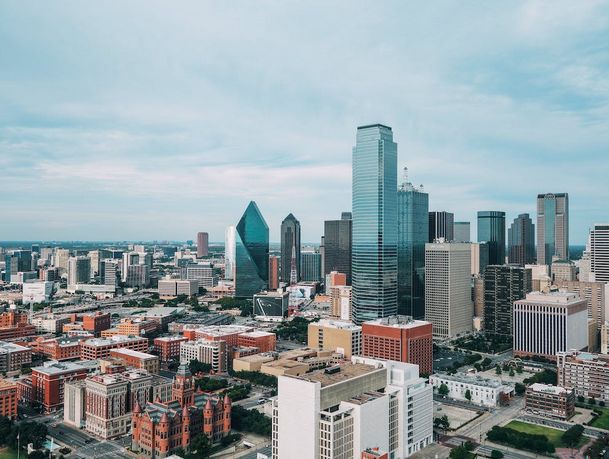
Dallas is a big city with plenty to offer tourists. From its world-renowned museums and attractions to its delicious food, there’s something for everyone in Dallas. Which is why the number of visitors to Dallas has been on the rise in recent years. If you’re planning on traveling to this vibrant city, be sure to check out our tips below.

Rent a Car Service

car serviceOne of the best ways to get around Dallas is by renting a car service. This way, you can avoid the hassle of driving in a city you’re unfamiliar with. If you don’t want to be hassled with airport transfer, you can also book a car service to pick you up from the airport. If you know some people who can recommend a reputable car service. Otherwise, you can check online reviews to see what other travelers have to say about different car services in Dallas. However, you must book your car service in advance so that you can be sure to get a reliable one.

Check the Weather

Another important tip when traveling to Dallas is to check the weather. The city experiences extreme weather conditions, so it’s important to be prepared for whatever Mother Nature has in store. If you’re traveling during the summer, pack plenty of sunscreen and light, comfortable clothing. And if you’re traveling during the winter, be sure to pack warm clothes and a heavy coat. Either way, it’s always a good idea to check the weather forecast before you travel to prepare for what’s to come. Many advise that you travel during the spring or fall to avoid the extreme heat or cold.

Pack Light

packingLastly, when traveling to Dallas, be sure to pack light. The city is very spread out, so you’ll likely be doing a lot of walking. And if you’re planning on taking public transportation, you’ll want to ensure that your bags are not too heavy. So, when packing for your trip, be sure only to bring the essentials. Some people make the mistake of packing too much, which can make for a very stressful trip. If you have children, pack light for them as well. Dallas is a great city for families, but you don’t want to be lugging around some extra stuff.

Dallas is a big city with plenty to offer visitors. Whether you’re looking for a family-friendly or a little more adult-oriented activity, you can find it in Dallas. These tips should help make your visit go smoothly and ensure you get to see all the best Dallas offers. Are there any other tips you would recommend for people visiting Dallas? Let us know in the comments.
Related Post

How Travel Changes the Way You See Ordinary LifeHow Travel Changes the Way You See Ordinary Life

Travel is often associated with adventure, relaxation, and the excitement of exploring somewhere new. Whether it’s a weekend getaway or a journey across the world, traveling allows us to step outside our usual routines and experience unfamiliar environments. While the memories and photos are valuable, one of the biggest benefits of travel often appears after the trip is over. Returning home after visiting different places can change how you view your everyday life. Things that once seemed ordinary may suddenly feel more interesting, meaningful, or worthy of appreciation. Travel has a unique way of expanding perspective and helping people see familiar surroundings through a different lens.

You Become More Aware of Daily Comforts

One of the first things many travelers notice after returning home is a renewed appreciation for everyday comforts. Familiar routines, favorite meals, and even your own bed can feel surprisingly valuable after spending time away. Experiencing different accommodations, transportation systems, and daily habits helps highlight the conveniences that are often taken for granted. Travel creates contrast, and that contrast can make ordinary aspects of life feel more meaningful and enjoyable.

Everyday Places Feel More Interesting

When you’re traveling, it’s common to pay close attention to your surroundings. You notice architecture, local customs, parks, shops, and small details that make a destination unique. Interestingly, this heightened awareness can continue after you return home. Many people begin noticing details in their own neighborhoods that they previously overlooked. Streets, cafés, landmarks, and local attractions may suddenly seem more interesting. Travel encourages curiosity, and that curiosity often carries over into everyday life.

Different Cultures Expand Your Perspective

Meeting people from different backgrounds and experiencing different ways of life can change how you view your own routines and assumptions. Travel exposes you to new ideas, traditions, and values that may differ from what you’re accustomed to. This broader perspective often leads to greater appreciation for diversity and a deeper understanding of how people live around the world. As a result, everyday situations at home may be viewed with more openness and less judgment, creating a richer outlook on life.

You Learn to Appreciate Simplicity

Travel doesn’t always go exactly as planned. Delayed flights, language barriers, unexpected weather, and schedule changes can all become part of the experience. These moments often teach flexibility and patience. After returning home, many travelers find that small inconveniences feel less significant than they once did. The ability to adapt while traveling can make everyday challenges seem more manageable, encouraging a calmer approach to daily life.

Routines Gain New Meaning

Stepping away from regular responsibilities often provides a fresh perspective on routines. During travel, familiar habits are temporarily replaced with new experiences, making it easier to evaluate what truly matters. When you return, activities like morning coffee, family dinners, exercise, or evening walks may feel more intentional and enjoyable. Travel creates enough distance to help people recognize the value hidden within their normal routines.

New Experiences Inspire Personal Growth

Travel often encourages people to try things they might not normally consider. Whether it’s tasting unfamiliar foods, navigating a new city, or communicating across language differences, these experiences build confidence and adaptability. That growth doesn’t stay behind when the trip ends. Many travelers return home feeling more willing to explore opportunities, learn new skills, or approach life with greater curiosity. Ordinary life can become more exciting simply because your mindset has expanded.

Gratitude Becomes Easier to Practice

One of travel’s most lasting effects is fostering gratitude. Seeing different living conditions, cultures, and lifestyles often helps people better understand their own circumstances. This perspective can encourage greater appreciation for relationships, opportunities, and everyday experiences. Instead of focusing solely on what’s missing, travelers often become more aware of what they already have, making ordinary moments feel more rewarding.

Travel changes more than just your location—it changes your perspective. By stepping outside familiar routines and experiencing different places, cultures, and ways of life, you gain a deeper appreciation for the world around you. Perhaps most importantly, travel helps you return home with fresh eyes, allowing you to see everyday life in a way that feels more meaningful, interesting, and rewarding. Sometimes, the greatest gift of travel isn’t what you discover elsewhere, but what you learn to appreciate when you come back home.

woman

Transformative Travel: How Exploring New Places Can Aid in Coping With TraumaTransformative Travel: How Exploring New Places Can Aid in Coping With Trauma

In life’s journey, moments of adversity can linger, imprinting themselves deeply within us. Coping with trauma requires an array of tools, and amidst this quest for healing, the profound impact of travel emerges as a beacon of hope. Beyond being a mere change of scenery, exploring new places possesses transformative qualities, offering solace and aiding individuals in navigating the complex terrain of coping with trauma. Aside from this, Drug Rehab Sydney encourages everyone who has been battling with mental issues to explore new places. It is not merely a physical journey. It’s a profound and symbolic voyage towards resilience, growth, and the reclamation of one’s narrative. Let’s embark on a journey to understand how transformative travel serves as a powerful tool in the process of healing.

The Journey of Healing: Travel as a Transformative Experience

Trauma disrupts the equilibrium of life, leaving emotional imprints that often seem indelible. Engaging in travel, however, initiates a transformative process. Exploring new environments offers a departure from familiar triggers, opening doors to healing by altering perspectives and fostering personal growth.

woman

Detaching From Triggers: Creating Emotional Distance

Venturing into new landscapes facilitates an emotional break from the places and situations associated with trauma. The unfamiliarity of new places can lessen the intensity of triggers, offering a reprieve and aiding in the gradual process of emotional detachment.

Reconnecting With Self: Rediscovering Inner Strength

Travel provides a canvas for self-reflection and rediscovery. Amidst the exploration of new cultures, customs, and landscapes, individuals often unearth dormant strengths, resilience, and a renewed sense of identity, fostering a path towards inner healing.

Empowering Through Novel Experiences: Building Confidence

Confronting the unknown during travel cultivates a sense of accomplishment and confidence. Each new experience, whether navigating through bustling markets or reveling in nature’s tranquility, contributes to a newfound sense of empowerment, diminishing feelings of vulnerability.

Cultivating Mindfulness: Living in the Present

Immersing oneself in the sights, sounds, and sensations of new environments fosters mindfulness. This immersion redirects focus from past traumas or anxieties about the future, encouraging individuals to live in the present moment and fostering mental calmness. Travel often involves interactions with diverse cultures and communities. These exchanges create opportunities for connection and empathy, bridging emotional gaps and alleviating feelings of isolation commonly associated with trauma.

kayak

The Healing Power of Nature: Serenity in Scenic Landscapes

Nature possesses remarkable healing properties. Exploring natural landscapes, from serene forests to breathtaking vistas, offers solace, tranquility, and an unparalleled sense of peace, facilitating emotional restoration. Travel becomes a catalyst for personal growth and transformation. It enables individuals to rewrite their narratives, infusing stories of resilience, courage, and exploration, turning traumatic experiences into chapters of strength and renewal.

In Conclusion

Transformative travel isn’t merely about sightseeing; it’s a profound journey of self-discovery, resilience, and healing. While it may not erase the scars of trauma, it provides a therapeutic avenue. A transformative pathway leading towards acceptance, resilience, and a renewed zest for life. Amidst the unknown horizons lie moments of healing, nurturing the spirit and paving the way for a brighter, transformed tomorrow.

Is Tourism Ruining the World? How to Travel More ResponsiblyIs Tourism Ruining the World? How to Travel More Responsibly

Travel is one of life’s greatest pleasures. It opens minds, connects cultures, and brings unforgettable experiences. But as tourism booms, so does the pressure it puts on our planet, local communities, and cultural landmarks. In 2025, the travel industry is bigger than ever—and so are the consequences. From overcrowded cities to environmental damage, many are starting to ask the hard question: Is tourism ruining the world?

The good news? We don’t have to stop traveling. But we do need to start doing it differently. Here’s how to be part of the solution instead of the problem.

Over-Tourism Is Real—and It’s Hurting Local Communities

We’ve all seen the photos: overflowing streets in Venice, long lines at Machu Picchu, packed beaches in Bali. Over-tourism doesn’t just ruin the vibe for travelers—it seriously impacts the quality of life for locals. Rising rent prices, traffic congestion, and the displacement of residents are just a few issues caused by excessive tourism. Being mindful of where you go—and when—can make a huge difference. Choosing lesser-known destinations or traveling during the off-season helps ease the pressure.

The Environmental Cost Is Higher Than You Think

Flights, cruises, and the construction of mega resorts all leave a heavy carbon footprint. Natural resources like water and energy are often overused in tourist hotspots, and fragile ecosystems can be damaged beyond repair. Responsible travel means being conscious of these impacts. That could mean taking fewer flights, supporting eco-certified accommodations, or simply rethinking how often—and how far—you really need to go.

Cultural Erosion Is Happening Under Our Noses

sea

Mass tourism can sometimes reduce a culture to a performance, stripping it of its authenticity. Locals may alter their traditions or even abandon them to cater to tourist expectations. Sacred spaces become Instagram backdrops. Local art becomes mass-produced souvenirs. The result? A watered-down version of a culture that exists more for outsiders than for those who actually live it. Responsible travelers take the time to learn, listen, and engage with respect, not entitlement.

Voluntourism Isn’t Always Helpful

It might feel good to “give back” while traveling, but not all volunteer opportunities are created equal. Many short-term volunteer programs do more harm than good, especially in communities that become dependent on untrained visitors. Instead of jumping into voluntourism blindly, look for long-term organizations with clear community-led goals—or better yet, support local economies through ethical spending.

Your Money Has Power—Spend It Thoughtfully

Where you spend your money while traveling matters. Choosing to eat at local restaurants, stay in family-run guesthouses, and buy directly from artisans helps keep tourism dollars in the community. Big international chains often extract wealth without giving much back. A little research before your trip can help you find businesses that prioritize fair wages, sustainability, and community investment.

Traveling Responsibly Doesn’t Mean Traveling Less

You don’t have to give up your travel dreams to make a difference—you just need to travel more consciously. Slow travel, longer stays, and deeper cultural engagement aren’t just more sustainable—they’re also more rewarding. It’s about quality over quantity. Fewer trips, maybe, but better ones. Those who give back as much as they take.

Tourism isn’t inherently bad—but how we travel matters. The choices we make as travelers have real consequences, both good and bad. By being more thoughtful about where we go, how we spend, and how we interact, we can help ensure that the world’s most beautiful places stay beautiful—for locals and future travelers alike.