
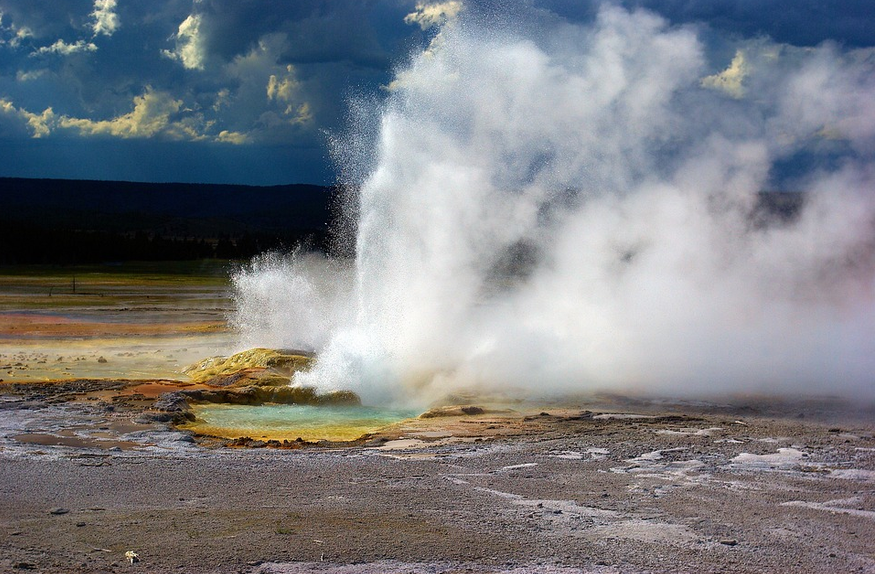
Yellowstone is one of those places that looks manageable on a map and turns out to be anything but. The park covers more than two million acres spread across three states, with geyser basins, canyons, and wildlife-rich valleys separated by hours of driving. A little planning ahead of time turns what could be a frustrating scramble into a trip that actually feels relaxed.
Why Timing Changes Everything
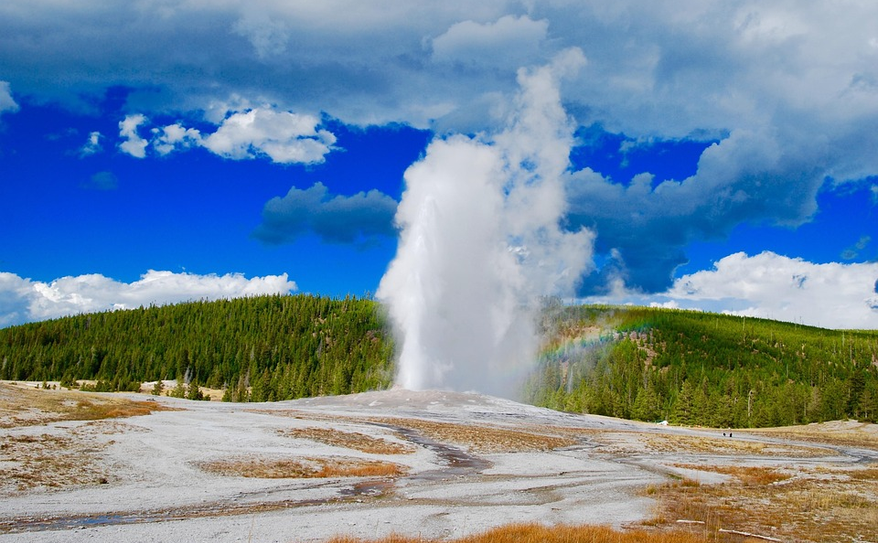 Most visitors arrive between June and August, when every road is open and every service is running, but that also means crowded parking lots and long waits at popular overlooks like Old Faithful or Grand Prismatic Spring. Shoulder seasons in May, September, and early October offer a quieter experience, cooler mornings, and wildlife that’s often more visible as animals move to lower elevations. The tradeoff is that some roads and facilities close earlier than people expect, and snow can shut down sections of the park with little warning, even in late spring or early fall.
Building a Realistic Itinerary
Because distances inside Yellowstone are deceptively long, it helps to pick two or three base areas rather than trying to see everything from one hotel. Many travelers split their time between the geyser basins near Old Faithful, the Canyon area, and the Lamar Valley for wildlife watching, rather than crisscrossing the park daily. Before locking in dates, it’s worth checking current conditions and seasonal closures directly through the park’s own planning page at https://www.nps.gov/yell/planyourvisit/index.htm, since road openings, entrance fees, and visitor center hours shift from year to year and sometimes week to week.
Getting Around a Park This Big
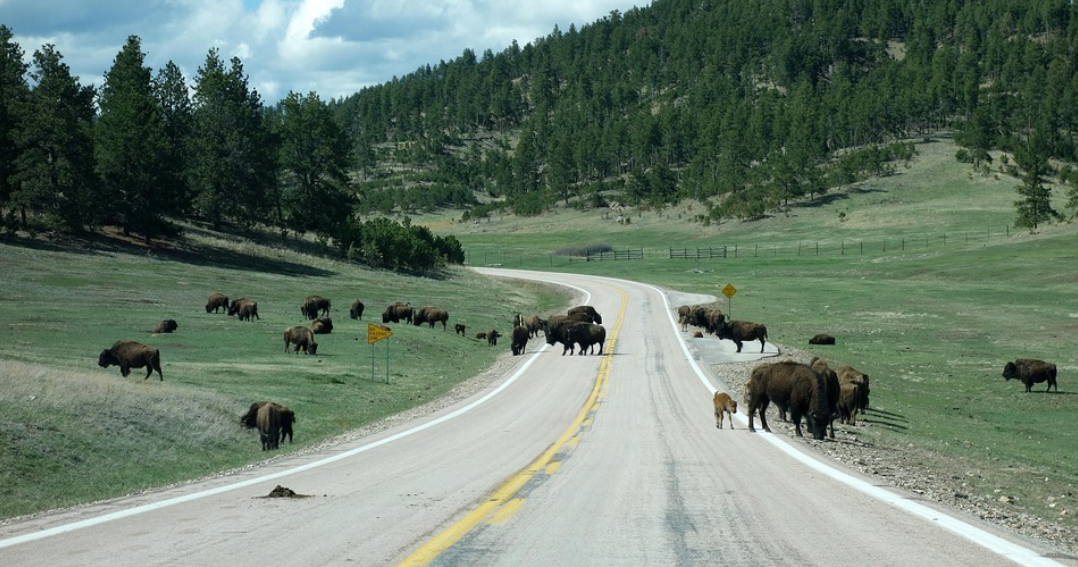 Yellowstone has five entrances, and which one you use can shape your whole route. Entering from the north near Gardiner puts you close to Mammoth Hot Springs, while the east and south entrances are better suited to visitors coming from Grand Teton or Cody. Fuel up before entering if you can, since gas stations inside the park are limited and lines form quickly during peak months. Traffic jams caused by bison or elk near the road are common and part of the experience, so building extra time into any drive is wise.
Lodging, Food, and Booking Early
Rooms and campsites inside the park fill up far in advance, often a year ahead for the most popular lodges. Gateway towns like West Yellowstone, Cody, and Gardiner offer more flexible options if in-park lodging is sold out, though that means a longer commute each day. Pack food for long stretches between restaurants, and don’t count on reliable cell service once you’re away from the main developed areas.
Packing for Mountain Weather
Even in July, mornings can start near freezing before warming into the 70s by afternoon, and sudden rain or hail is common at higher elevations. Layers, sturdy footwear, and rain protection matter more than anything stylish. A basic first-aid kit and bear spray are worth carrying on any hike away from boardwalks.
Start with a short list of the two or three sights you care about most, then build the rest of the trip around reaching them without rushing. Yellowstone rewards patience far more than it rewards trying to see everything at once.…