
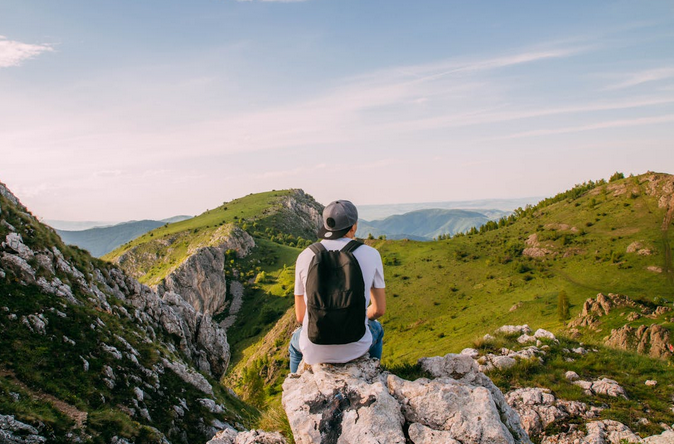
Travel is one of life’s greatest pleasures. It opens minds, connects cultures, and brings unforgettable experiences. But as tourism booms, so does the pressure it puts on our planet, local communities, and cultural landmarks. In 2025, the travel industry is bigger than ever—and so are the consequences. From overcrowded cities to environmental damage, many are starting to ask the hard question: Is tourism ruining the world?
The good news? We don’t have to stop traveling. But we do need to start doing it differently. Here’s how to be part of the solution instead of the problem.
Over-Tourism Is Real—and It’s Hurting Local Communities
We’ve all seen the photos: overflowing streets in Venice, long lines at Machu Picchu, packed beaches in Bali. Over-tourism doesn’t just ruin the vibe for travelers—it seriously impacts the quality of life for locals. Rising rent prices, traffic congestion, and the displacement of residents are just a few issues caused by excessive tourism. Being mindful of where you go—and when—can make a huge difference. Choosing lesser-known destinations or traveling during the off-season helps ease the pressure.
The Environmental Cost Is Higher Than You Think
Flights, cruises, and the construction of mega resorts all leave a heavy carbon footprint. Natural resources like water and energy are often overused in tourist hotspots, and fragile ecosystems can be damaged beyond repair. Responsible travel means being conscious of these impacts. That could mean taking fewer flights, supporting eco-certified accommodations, or simply rethinking how often—and how far—you really need to go.
Cultural Erosion Is Happening Under Our Noses

Mass tourism can sometimes reduce a culture to a performance, stripping it of its authenticity. Locals may alter their traditions or even abandon them to cater to tourist expectations. Sacred spaces become Instagram backdrops. Local art becomes mass-produced souvenirs. The result? A watered-down version of a culture that exists more for outsiders than for those who actually live it. Responsible travelers take the time to learn, listen, and engage with respect, not entitlement.
Voluntourism Isn’t Always Helpful
It might feel good to “give back” while traveling, but not all volunteer opportunities are created equal. Many short-term volunteer programs do more harm than good, especially in communities that become dependent on untrained visitors. Instead of jumping into voluntourism blindly, look for long-term organizations with clear community-led goals—or better yet, support local economies through ethical spending.
Your Money Has Power—Spend It Thoughtfully
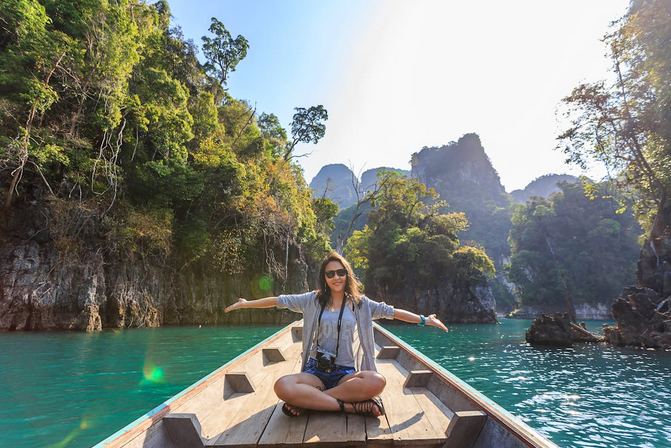
Where you spend your money while traveling matters. Choosing to eat at local restaurants, stay in family-run guesthouses, and buy directly from artisans helps keep tourism dollars in the community. Big international chains often extract wealth without giving much back. A little research before your trip can help you find businesses that prioritize fair wages, sustainability, and community investment.
Traveling Responsibly Doesn’t Mean Traveling Less
You don’t have to give up your travel dreams to make a difference—you just need to travel more consciously. Slow travel, longer stays, and deeper cultural engagement aren’t just more sustainable—they’re also more rewarding. It’s about quality over quantity. Fewer trips, maybe, but better ones. Those who give back as much as they take.
Tourism isn’t inherently bad—but how we travel matters. The choices we make as travelers have real consequences, both good and bad. By being more thoughtful about where we go, how we spend, and how we interact, we can help ensure that the world’s most beautiful places stay beautiful—for locals and future travelers alike.…
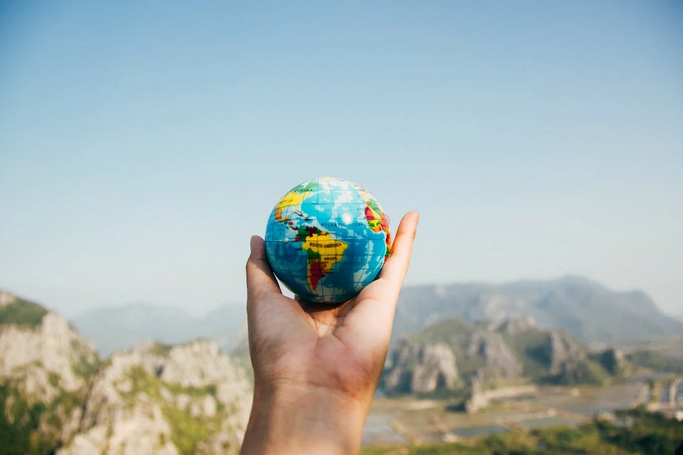

 When you are in a new environment, you have the chance to step back from your daily routine and view your life from a new perspective. This can help you re-evaluate your goals, values, and priorities and make positive changes in your life. Traveling also provides a chance to self-reflect by testing your limits and pushing yourself out of your comfort zone. When you are faced with new challenges, you have the opportunity to learn more about yourself and your abilities. By reflecting on your experiences, you can identify areas for personal growth and development and make concrete plans for improvement.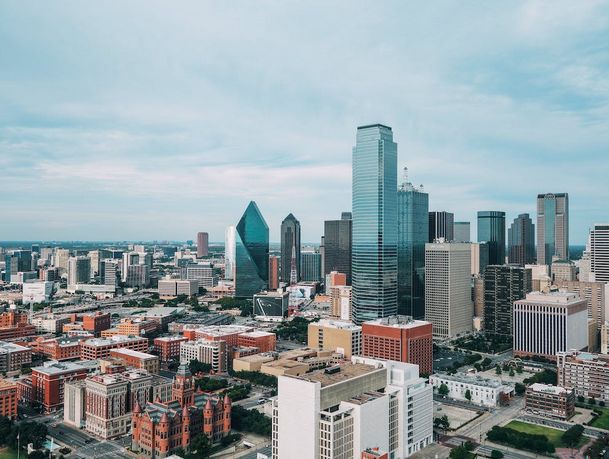
 One of the best ways to get around Dallas is by renting a car service. This way, you can avoid the hassle of driving in a city you’re unfamiliar with. If you don’t want to be hassled with airport transfer, you can also book a car service to pick you up from the airport. If you know some people who can recommend a reputable car service. Otherwise, you can check online reviews to see what other travelers have to say about different car services in Dallas. However, you must book your car service in advance so that you can be sure to get a reliable one.
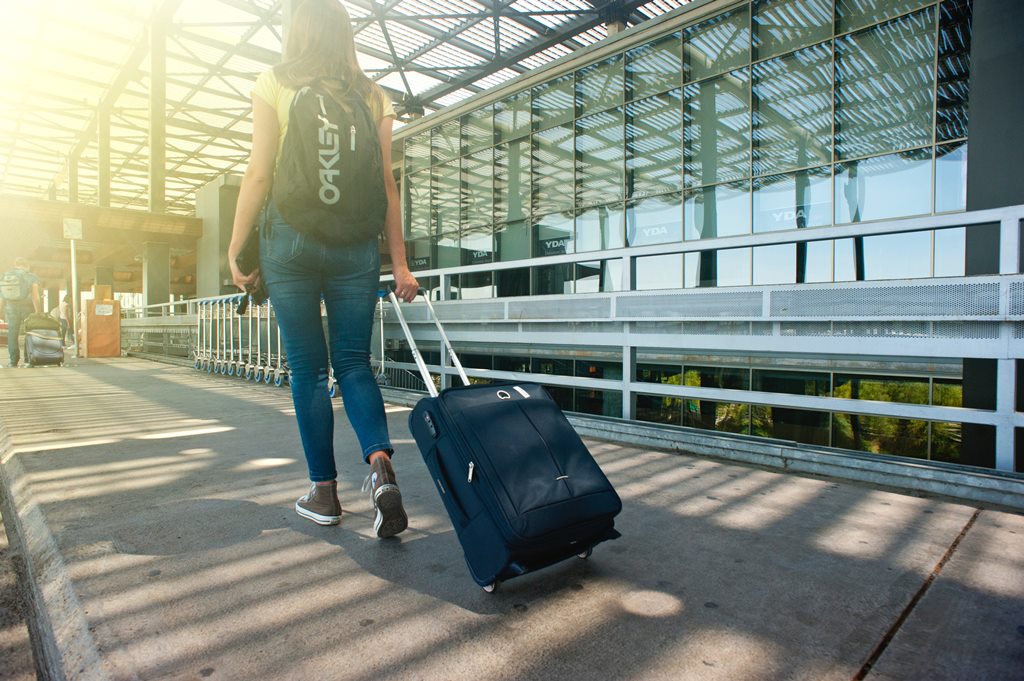
 Lastly, when traveling to Dallas, be sure to pack light. The city is very spread out, so you’ll likely be doing a lot of walking. And if you’re planning on taking public transportation, you’ll want to ensure that your bags are not too heavy. So, when packing for your trip, be sure only to bring the essentials. Some people make the mistake of packing too much, which can make for a very stressful trip. If you have children, pack light for them as well. Dallas is a great city for families, but you don’t want to be lugging around some extra stuff.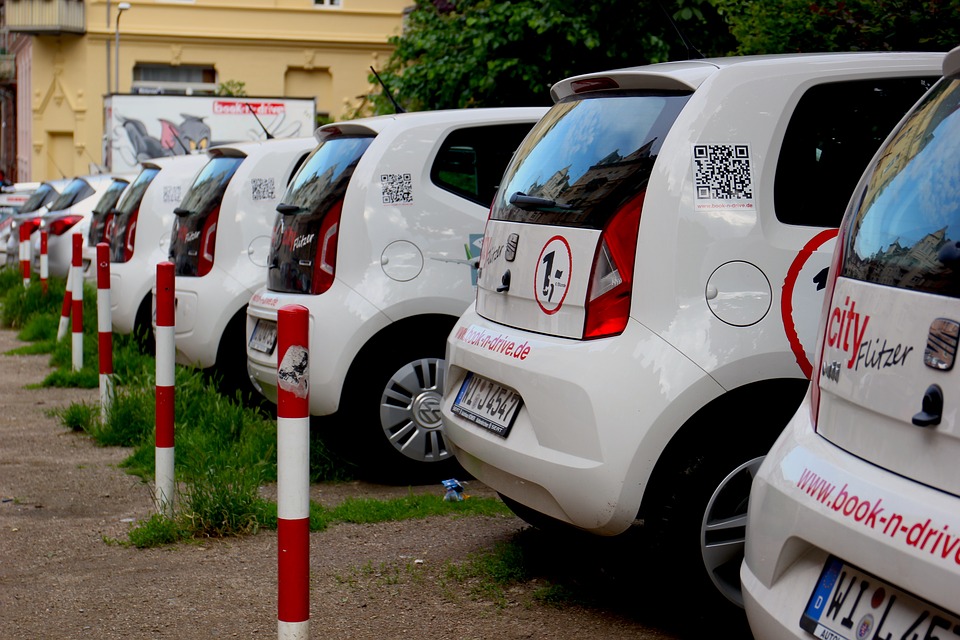
 .
.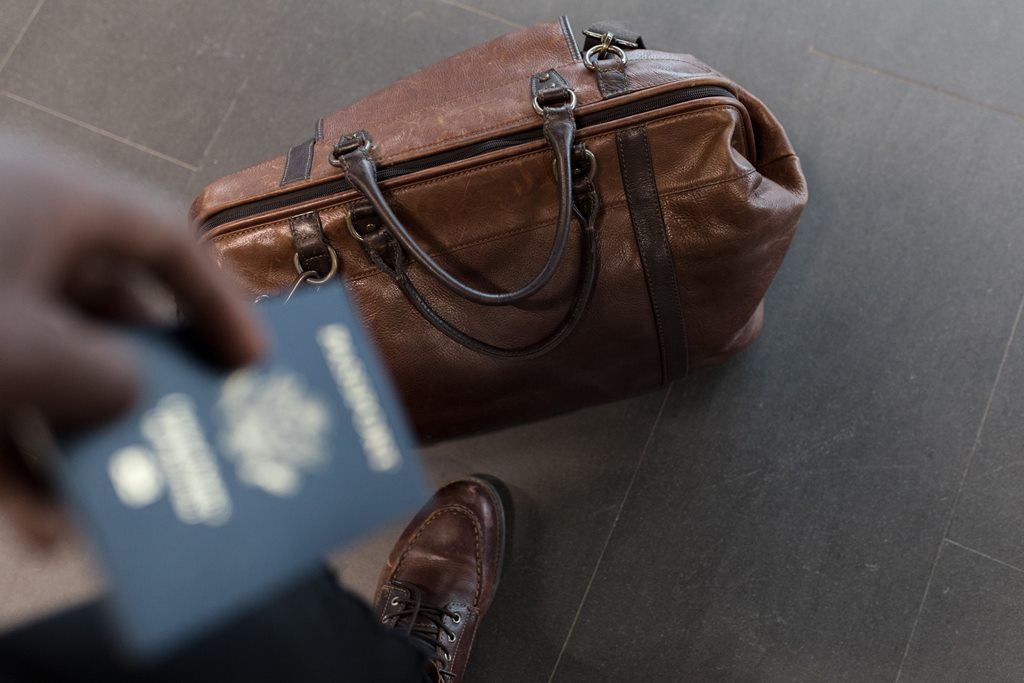 Honestly, who wouldn’t be passionate about traveling in this day and age? It has so much to offer that you can’t help but get sucked in. The wonders of the world around you will pick your curiosity that you will want to travel far and wide and see them for yourself.