
1 Mission St, San Francisco, CA 94105
G Parho Travel Accommodation Tips for Travelers During the Holiday Seasons

Accommodation Tips for Travelers During the Holiday Seasons

The holiday season brings joy, celebration, and perhaps the most exciting, traveling to new destinations. Whether planning a cozy getaway at Luxury Farmstay Near Sydney or an adventurous escape with family and friends, securing the right accommodation can make all the difference. However, as festive cheer fills the air, so does competition for available places to stay. Getting ahead in your travel game requires some savvy planning. To ensure a memorable experience without any last-minute hiccups, read on for essential tips to help you navigate accommodation challenges during this bustling time of year.

Book Early to Avoid Disappointment

When it comes to holiday travel, timing is everything. Booking your accommodation early guarantees a place to stay and opens up better options for locations and amenities. Popular destinations tend to fill up fast during the holidays. Waiting until the last minute can leave you scrambling for anything available—often at inflated prices or in less-than-ideal areas.

By securing your booking well in advance, you can explore various choices that fit your budget and preferences. Early birds often snag those charming boutique hotels or cozy cabins before they disappear from the scene. Additionally, many providers offer flexible cancellation policies when booked ahead of time. This gives you peace of mind as plans may change unexpectedly during festive seasons.
Be Flexible with Dates and Locations

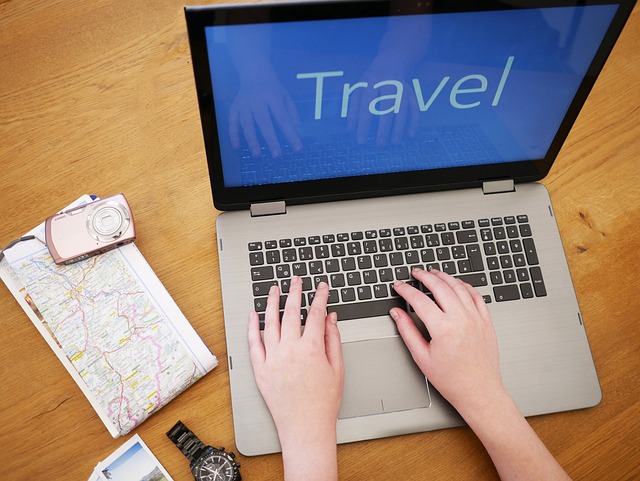
Flexibility can be a game changer when it comes to travel. If you have some wiggle room in your schedule, consider shifting your travel dates. Often, flying mid-week or during off-peak hours can lead to significant savings on flights and accommodations. Exploring alternative locations can also open up new possibilities. Consider nearby towns or lesser-known destinations instead of sticking with the popular tourist hotspots. You might discover hidden gems that offer unique experiences at a fraction of the cost. Keep an eye on price fluctuations as well. Tools like fare alerts and flexible date search options from booking sites enable you to snag deals that align with your budget without sacrificing quality stays.

Consider Travel Insurance for Cancellations

Travel plans can change unexpectedly. A sudden illness, family emergency, or unforeseen weather conditions can disrupt your itinerary. Having travel insurance offers peace of mind against such uncertainties. If you need to cancel or delay your trip, good coverage can reimburse non-refundable accommodation expenses. Not all policies are created equal; some cover specific reasons for cancellations, while others provide broader protection. Always read the fine print to understand what’s included. Consider factors like trip length and cost when selecting a policy. The right insurance protects your wallet and allows flexibility during those busy holiday seasons. Investing in travel insurance is wise for any traveler looking to safeguard their plans from unexpected hiccups along the way.
Conclusion

Booking accommodation during the holiday season can feel overwhelming. However, you can secure a great place to stay with some planning and flexibility. By keeping these tips in mind, you’re setting yourself up for an enjoyable holiday experience without the stress that often accompanies it.
Related Post

Wonderful Benefits of TravelingWonderful Benefits of Traveling

individual traveling

One of the favorite hobbies is traveling. People love to travel because they get an opportunity to visit parts of the universe that they had never explored. They also get to meet new friends, enjoy new meals, and experience a different culture.

By exploring different parts of the world, the said individuals usually gain an understanding of what or how the rest of the world is like. It has been established that traveling helps in improving someone’s creativity and the overall health. This read talks about the different benefits of traveling.

Social and Communication Skills

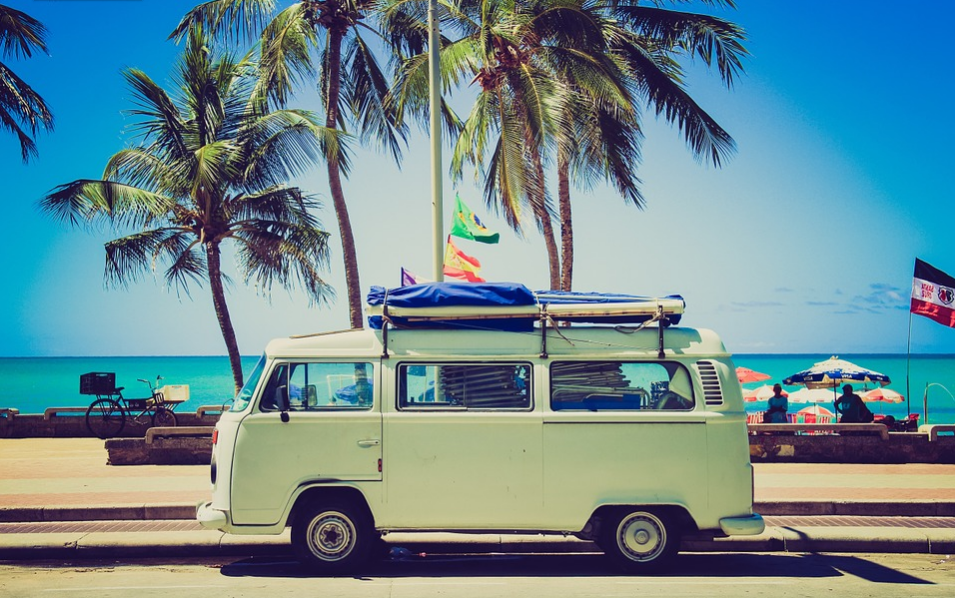
green traveling van

One of the benefits of traveling is that it improves the social and communication skills of an individual. Humans are social beings who were created to relate to the other members of society.

When you travel to a country where your local language is not used, you will have to learn the new language. In so doing, it will help you to improve your social and communication skills are ideal if you are to co-exist with others in the society.

Peace of Mind

Traveling can also help you to get the much-needed peace of mind. Many people are faced with various issues that typically pushes them on edge. The pressure in the world today is so great that many people suffer from multiple diseases like stress and depression.

One of the ways of managing anxiety and depression is by taking a breather by going on vacation. When you travel to a distant land, you will stop being worried about the various issues that you are currently facing.

Creative Thoughts

At times, we need to take a break from our demanding schedule to get our original and creative thoughts back on track. It has been scientifically proven that if we get out of our comfort zone, we can make our minds more creative.

If we need to be more creative and productive, e need to have an evaluation of our inner beings. We can successfully enjoy this if we take the time to travel to various parts of the world.

Broaden Your Circles

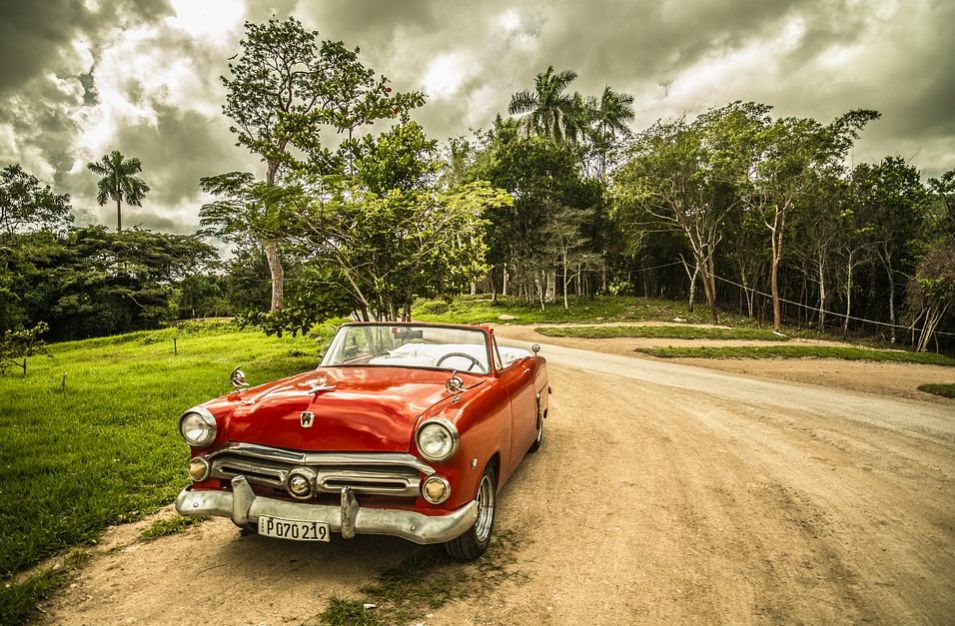
traveling car

Traveling will help you broaden your social circles. You will meet new people when you are visiting and interact with many more once you get to your destination.

People with more extensive social circles tend to do well as compared to those with limited or slim social circles. When you travel to other parts of the world, you are likely to appreciate a different culture, mood, and way of life of different individuals that you will interact with.


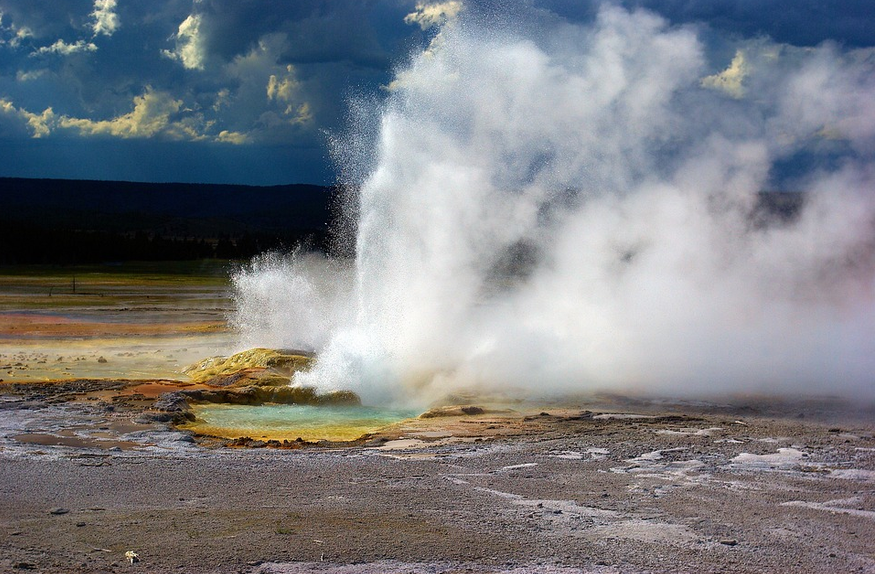
Yellowstone geyser basin landscape

Timing Your First Trip to Yellowstone: What to Know Before You GoTiming Your First Trip to Yellowstone: What to Know Before You Go

Yellowstone is one of those places that looks manageable on a map and turns out to be anything but. The park covers more than two million acres spread across three states, with geyser basins, canyons, and wildlife-rich valleys separated by hours of driving. A little planning ahead of time turns what could be a frustrating scramble into a trip that actually feels relaxed.

Why Timing Changes Everything

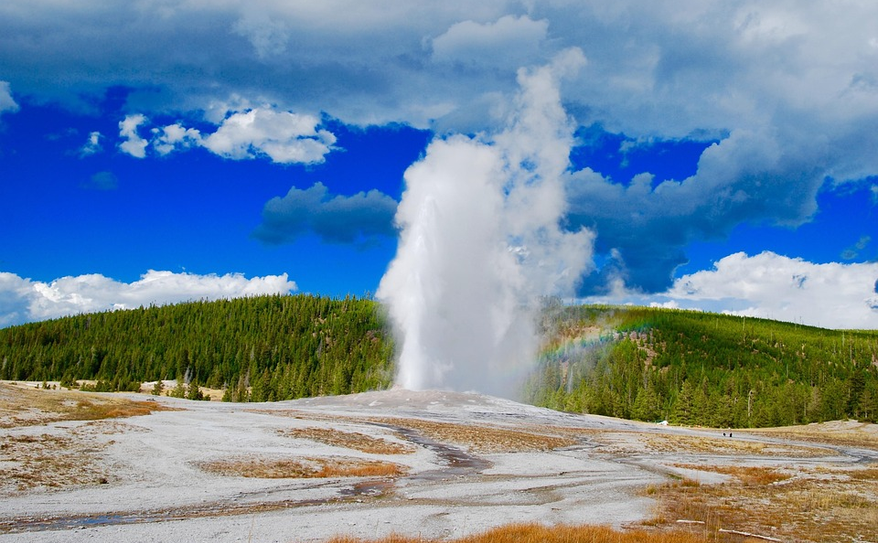
Old Faithful geyser eruptionMost visitors arrive between June and August, when every road is open and every service is running, but that also means crowded parking lots and long waits at popular overlooks like Old Faithful or Grand Prismatic Spring. Shoulder seasons in May, September, and early October offer a quieter experience, cooler mornings, and wildlife that’s often more visible as animals move to lower elevations. The tradeoff is that some roads and facilities close earlier than people expect, and snow can shut down sections of the park with little warning, even in late spring or early fall.
Building a Realistic Itinerary

Because distances inside Yellowstone are deceptively long, it helps to pick two or three base areas rather than trying to see everything from one hotel. Many travelers split their time between the geyser basins near Old Faithful, the Canyon area, and the Lamar Valley for wildlife watching, rather than crisscrossing the park daily. Before locking in dates, it’s worth checking current conditions and seasonal closures directly through the park’s own planning page at https://www.nps.gov/yell/planyourvisit/index.htm, since road openings, entrance fees, and visitor center hours shift from year to year and sometimes week to week.

Getting Around a Park This Big

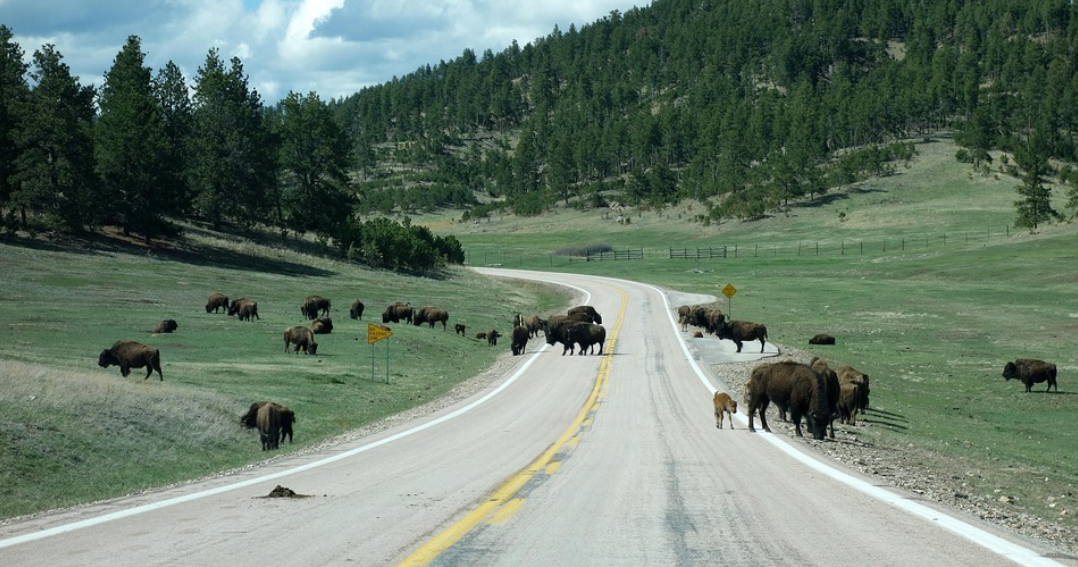
bison herd Yellowstone roadYellowstone has five entrances, and which one you use can shape your whole route. Entering from the north near Gardiner puts you close to Mammoth Hot Springs, while the east and south entrances are better suited to visitors coming from Grand Teton or Cody. Fuel up before entering if you can, since gas stations inside the park are limited and lines form quickly during peak months. Traffic jams caused by bison or elk near the road are common and part of the experience, so building extra time into any drive is wise.
Lodging, Food, and Booking Early

Rooms and campsites inside the park fill up far in advance, often a year ahead for the most popular lodges. Gateway towns like West Yellowstone, Cody, and Gardiner offer more flexible options if in-park lodging is sold out, though that means a longer commute each day. Pack food for long stretches between restaurants, and don’t count on reliable cell service once you’re away from the main developed areas.

Packing for Mountain Weather

Even in July, mornings can start near freezing before warming into the 70s by afternoon, and sudden rain or hail is common at higher elevations. Layers, sturdy footwear, and rain protection matter more than anything stylish. A basic first-aid kit and bear spray are worth carrying on any hike away from boardwalks.

Start with a short list of the two or three sights you care about most, then build the rest of the trip around reaching them without rushing. Yellowstone rewards patience far more than it rewards trying to see everything at once.

How Travel Changes the Way You See Ordinary LifeHow Travel Changes the Way You See Ordinary Life

Travel is often associated with adventure, relaxation, and the excitement of exploring somewhere new. Whether it’s a weekend getaway or a journey across the world, traveling allows us to step outside our usual routines and experience unfamiliar environments. While the memories and photos are valuable, one of the biggest benefits of travel often appears after the trip is over. Returning home after visiting different places can change how you view your everyday life. Things that once seemed ordinary may suddenly feel more interesting, meaningful, or worthy of appreciation. Travel has a unique way of expanding perspective and helping people see familiar surroundings through a different lens.

You Become More Aware of Daily Comforts

One of the first things many travelers notice after returning home is a renewed appreciation for everyday comforts. Familiar routines, favorite meals, and even your own bed can feel surprisingly valuable after spending time away. Experiencing different accommodations, transportation systems, and daily habits helps highlight the conveniences that are often taken for granted. Travel creates contrast, and that contrast can make ordinary aspects of life feel more meaningful and enjoyable.

Everyday Places Feel More Interesting

When you’re traveling, it’s common to pay close attention to your surroundings. You notice architecture, local customs, parks, shops, and small details that make a destination unique. Interestingly, this heightened awareness can continue after you return home. Many people begin noticing details in their own neighborhoods that they previously overlooked. Streets, cafés, landmarks, and local attractions may suddenly seem more interesting. Travel encourages curiosity, and that curiosity often carries over into everyday life.

Different Cultures Expand Your Perspective

Meeting people from different backgrounds and experiencing different ways of life can change how you view your own routines and assumptions. Travel exposes you to new ideas, traditions, and values that may differ from what you’re accustomed to. This broader perspective often leads to greater appreciation for diversity and a deeper understanding of how people live around the world. As a result, everyday situations at home may be viewed with more openness and less judgment, creating a richer outlook on life.

You Learn to Appreciate Simplicity

Travel doesn’t always go exactly as planned. Delayed flights, language barriers, unexpected weather, and schedule changes can all become part of the experience. These moments often teach flexibility and patience. After returning home, many travelers find that small inconveniences feel less significant than they once did. The ability to adapt while traveling can make everyday challenges seem more manageable, encouraging a calmer approach to daily life.

Routines Gain New Meaning

Stepping away from regular responsibilities often provides a fresh perspective on routines. During travel, familiar habits are temporarily replaced with new experiences, making it easier to evaluate what truly matters. When you return, activities like morning coffee, family dinners, exercise, or evening walks may feel more intentional and enjoyable. Travel creates enough distance to help people recognize the value hidden within their normal routines.

New Experiences Inspire Personal Growth

Travel often encourages people to try things they might not normally consider. Whether it’s tasting unfamiliar foods, navigating a new city, or communicating across language differences, these experiences build confidence and adaptability. That growth doesn’t stay behind when the trip ends. Many travelers return home feeling more willing to explore opportunities, learn new skills, or approach life with greater curiosity. Ordinary life can become more exciting simply because your mindset has expanded.

Gratitude Becomes Easier to Practice

One of travel’s most lasting effects is fostering gratitude. Seeing different living conditions, cultures, and lifestyles often helps people better understand their own circumstances. This perspective can encourage greater appreciation for relationships, opportunities, and everyday experiences. Instead of focusing solely on what’s missing, travelers often become more aware of what they already have, making ordinary moments feel more rewarding.

Travel changes more than just your location—it changes your perspective. By stepping outside familiar routines and experiencing different places, cultures, and ways of life, you gain a deeper appreciation for the world around you. Perhaps most importantly, travel helps you return home with fresh eyes, allowing you to see everyday life in a way that feels more meaningful, interesting, and rewarding. Sometimes, the greatest gift of travel isn’t what you discover elsewhere, but what you learn to appreciate when you come back home.