1 Mission St, San Francisco, CA 94105
G Parho Travel Is Tourism Ruining the World? How to Travel More Responsibly

Is Tourism Ruining the World? How to Travel More Responsibly

Travel is one of life’s greatest pleasures. It opens minds, connects cultures, and brings unforgettable experiences. But as tourism booms, so does the pressure it puts on our planet, local communities, and cultural landmarks. In 2025, the travel industry is bigger than ever—and so are the consequences. From overcrowded cities to environmental damage, many are starting to ask the hard question: Is tourism ruining the world?

The good news? We don’t have to stop traveling. But we do need to start doing it differently. Here’s how to be part of the solution instead of the problem.

Over-Tourism Is Real—and It’s Hurting Local Communities

We’ve all seen the photos: overflowing streets in Venice, long lines at Machu Picchu, packed beaches in Bali. Over-tourism doesn’t just ruin the vibe for travelers—it seriously impacts the quality of life for locals. Rising rent prices, traffic congestion, and the displacement of residents are just a few issues caused by excessive tourism. Being mindful of where you go—and when—can make a huge difference. Choosing lesser-known destinations or traveling during the off-season helps ease the pressure.

The Environmental Cost Is Higher Than You Think

Flights, cruises, and the construction of mega resorts all leave a heavy carbon footprint. Natural resources like water and energy are often overused in tourist hotspots, and fragile ecosystems can be damaged beyond repair. Responsible travel means being conscious of these impacts. That could mean taking fewer flights, supporting eco-certified accommodations, or simply rethinking how often—and how far—you really need to go.

Cultural Erosion Is Happening Under Our Noses
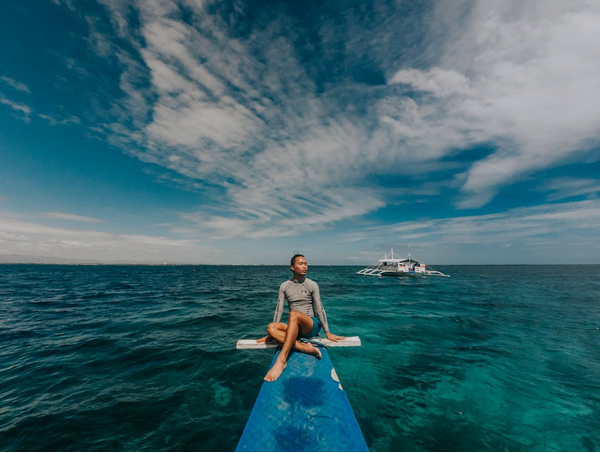
sea

Mass tourism can sometimes reduce a culture to a performance, stripping it of its authenticity. Locals may alter their traditions or even abandon them to cater to tourist expectations. Sacred spaces become Instagram backdrops. Local art becomes mass-produced souvenirs. The result? A watered-down version of a culture that exists more for outsiders than for those who actually live it. Responsible travelers take the time to learn, listen, and engage with respect, not entitlement.

Voluntourism Isn’t Always Helpful

It might feel good to “give back” while traveling, but not all volunteer opportunities are created equal. Many short-term volunteer programs do more harm than good, especially in communities that become dependent on untrained visitors. Instead of jumping into voluntourism blindly, look for long-term organizations with clear community-led goals—or better yet, support local economies through ethical spending.

Your Money Has Power—Spend It Thoughtfully
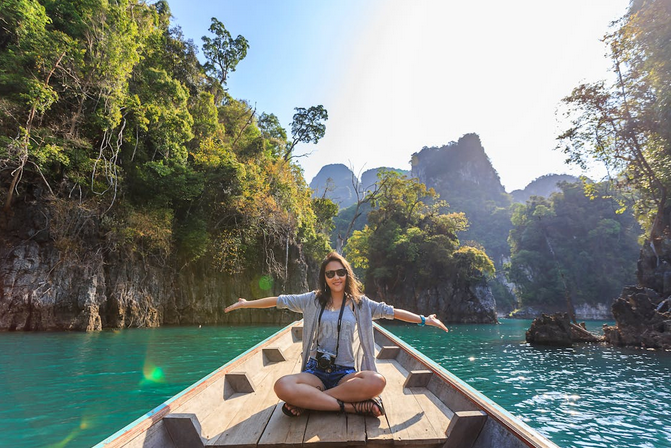
Where you spend your money while traveling matters. Choosing to eat at local restaurants, stay in family-run guesthouses, and buy directly from artisans helps keep tourism dollars in the community. Big international chains often extract wealth without giving much back. A little research before your trip can help you find businesses that prioritize fair wages, sustainability, and community investment.

Traveling Responsibly Doesn’t Mean Traveling Less

You don’t have to give up your travel dreams to make a difference—you just need to travel more consciously. Slow travel, longer stays, and deeper cultural engagement aren’t just more sustainable—they’re also more rewarding. It’s about quality over quantity. Fewer trips, maybe, but better ones. Those who give back as much as they take.

Tourism isn’t inherently bad—but how we travel matters. The choices we make as travelers have real consequences, both good and bad. By being more thoughtful about where we go, how we spend, and how we interact, we can help ensure that the world’s most beautiful places stay beautiful—for locals and future travelers alike.
Related Post

How Travel Changes the Way You See Ordinary LifeHow Travel Changes the Way You See Ordinary Life

Travel is often associated with adventure, relaxation, and the excitement of exploring somewhere new. Whether it’s a weekend getaway or a journey across the world, traveling allows us to step outside our usual routines and experience unfamiliar environments. While the memories and photos are valuable, one of the biggest benefits of travel often appears after the trip is over. Returning home after visiting different places can change how you view your everyday life. Things that once seemed ordinary may suddenly feel more interesting, meaningful, or worthy of appreciation. Travel has a unique way of expanding perspective and helping people see familiar surroundings through a different lens.

You Become More Aware of Daily Comforts

One of the first things many travelers notice after returning home is a renewed appreciation for everyday comforts. Familiar routines, favorite meals, and even your own bed can feel surprisingly valuable after spending time away. Experiencing different accommodations, transportation systems, and daily habits helps highlight the conveniences that are often taken for granted. Travel creates contrast, and that contrast can make ordinary aspects of life feel more meaningful and enjoyable.

Everyday Places Feel More Interesting

When you’re traveling, it’s common to pay close attention to your surroundings. You notice architecture, local customs, parks, shops, and small details that make a destination unique. Interestingly, this heightened awareness can continue after you return home. Many people begin noticing details in their own neighborhoods that they previously overlooked. Streets, cafés, landmarks, and local attractions may suddenly seem more interesting. Travel encourages curiosity, and that curiosity often carries over into everyday life.

Different Cultures Expand Your Perspective

Meeting people from different backgrounds and experiencing different ways of life can change how you view your own routines and assumptions. Travel exposes you to new ideas, traditions, and values that may differ from what you’re accustomed to. This broader perspective often leads to greater appreciation for diversity and a deeper understanding of how people live around the world. As a result, everyday situations at home may be viewed with more openness and less judgment, creating a richer outlook on life.

You Learn to Appreciate Simplicity

Travel doesn’t always go exactly as planned. Delayed flights, language barriers, unexpected weather, and schedule changes can all become part of the experience. These moments often teach flexibility and patience. After returning home, many travelers find that small inconveniences feel less significant than they once did. The ability to adapt while traveling can make everyday challenges seem more manageable, encouraging a calmer approach to daily life.

Routines Gain New Meaning

Stepping away from regular responsibilities often provides a fresh perspective on routines. During travel, familiar habits are temporarily replaced with new experiences, making it easier to evaluate what truly matters. When you return, activities like morning coffee, family dinners, exercise, or evening walks may feel more intentional and enjoyable. Travel creates enough distance to help people recognize the value hidden within their normal routines.

New Experiences Inspire Personal Growth

Travel often encourages people to try things they might not normally consider. Whether it’s tasting unfamiliar foods, navigating a new city, or communicating across language differences, these experiences build confidence and adaptability. That growth doesn’t stay behind when the trip ends. Many travelers return home feeling more willing to explore opportunities, learn new skills, or approach life with greater curiosity. Ordinary life can become more exciting simply because your mindset has expanded.

Gratitude Becomes Easier to Practice

One of travel’s most lasting effects is fostering gratitude. Seeing different living conditions, cultures, and lifestyles often helps people better understand their own circumstances. This perspective can encourage greater appreciation for relationships, opportunities, and everyday experiences. Instead of focusing solely on what’s missing, travelers often become more aware of what they already have, making ordinary moments feel more rewarding.

Travel changes more than just your location—it changes your perspective. By stepping outside familiar routines and experiencing different places, cultures, and ways of life, you gain a deeper appreciation for the world around you. Perhaps most importantly, travel helps you return home with fresh eyes, allowing you to see everyday life in a way that feels more meaningful, interesting, and rewarding. Sometimes, the greatest gift of travel isn’t what you discover elsewhere, but what you learn to appreciate when you come back home.

taking a trip

More about the Joys of TravelingMore about the Joys of Traveling

When getting ready to travel to a place you’ve never been to before, it’s only logical for you to want to know more about it. Thanks to technology, you don’t have to be clueless about this fun part of traveling. All the fun facts you could ever think about are already lined up for you on the internet.

Talk about convenience coming to life right before our very eyes! This is a vast world we live in, and most of us would want to get to every corner of it before they leave it. This is such a good idea especially when the conditions favor you completely.

Your Sources

Taking up traveling as a hobby is the best thing that you could ever do. There is so much for you to learn about as well as have some time to yourself. However, it all depends on the nature of your travel escapades. You could be traveling for business or pleasure.

Whichever the case, it can always make perfect sense when you find the pleasure in what you do. For instance, if you love to visit Disneyland, worry no more. There are credible sources from where you can get all the latest information.

The best Disney news and rumors podcast would never let you down at any point. You might want to check it out first before planning your trip

airport.


Complete Packages

When planning for a comfortable journey, no one likes it when something gets in the way. It has to be a smooth ride. Otherwise, you won’t be able to focus on making it a pleasant experience.

Start with what you’ll need first then move on to other factors. It doesn’t matter whether it’s a trip to granny for the weekend. There are some things that you definitely can’t do without.

The same case also applies when you are taking a flight and traveling out of the country for a vacation. Ensure that your package is complete first before boarding the plane or even leaving the house.

Your Passion

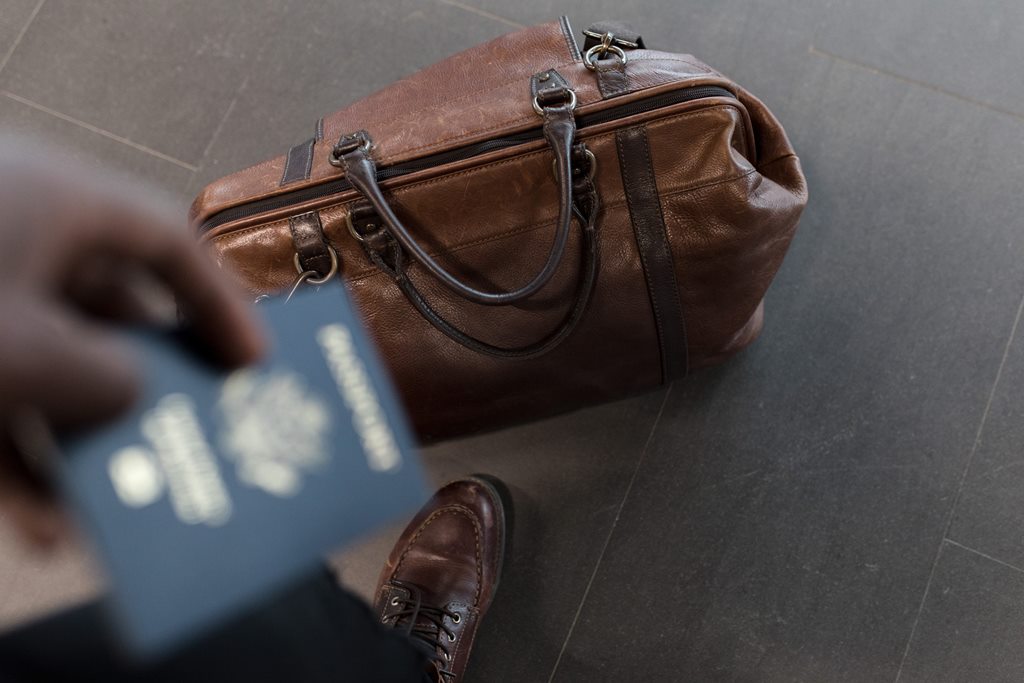
bag and passportHonestly, who wouldn’t be passionate about traveling in this day and age? It has so much to offer that you can’t help but get sucked in. The wonders of the world around you will pick your curiosity that you will want to travel far and wide and see them for yourself.
You have probably been reading as much as you can on the internet. Or maybe you’ve heard of the places in question from your friends or colleagues at work. You then thought to yourself, ‘why don’t I give it a try?’

Don’t wait any longer, instead, grab each opportunity you get with both hands. Each opportunity to travel for pleasure is a chance to explore your inner passions. It might surprise you to find out that traveling and exploring has been one of them but you’ve never really found out until recently. Share it with someone.

The joys of travels should be shared with people closest to you. It could be the love of your life or maybe family or friends. Most memories are created while on the move but in a unique fashion.

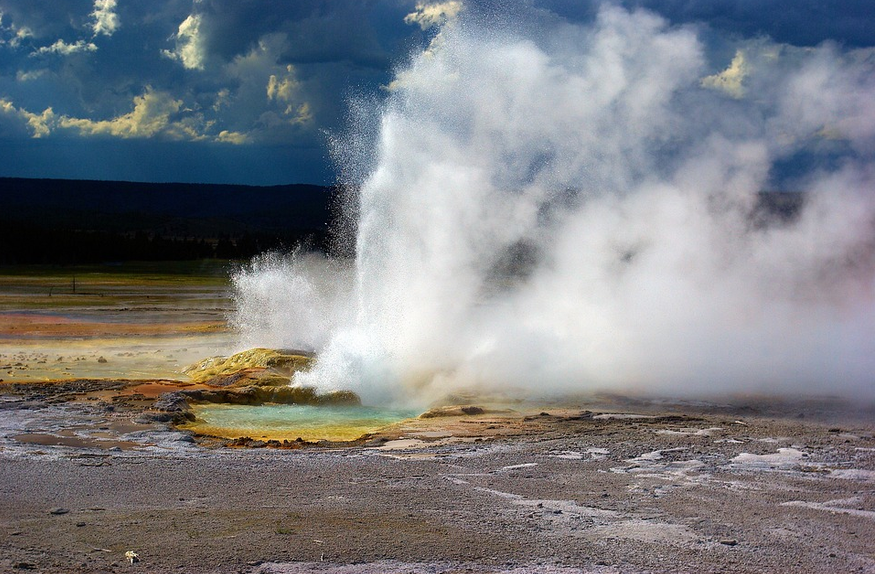
Yellowstone geyser basin landscape

Timing Your First Trip to Yellowstone: What to Know Before You GoTiming Your First Trip to Yellowstone: What to Know Before You Go

Yellowstone is one of those places that looks manageable on a map and turns out to be anything but. The park covers more than two million acres spread across three states, with geyser basins, canyons, and wildlife-rich valleys separated by hours of driving. A little planning ahead of time turns what could be a frustrating scramble into a trip that actually feels relaxed.

Why Timing Changes Everything

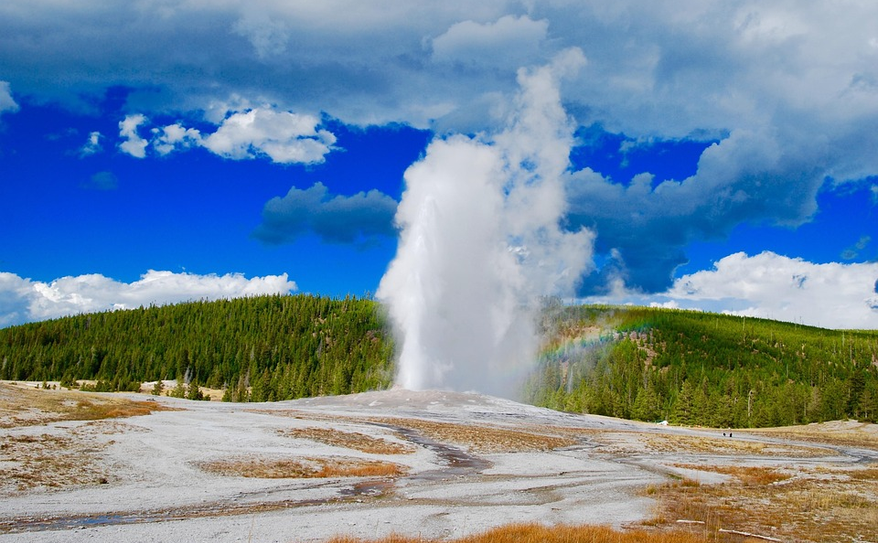
Old Faithful geyser eruptionMost visitors arrive between June and August, when every road is open and every service is running, but that also means crowded parking lots and long waits at popular overlooks like Old Faithful or Grand Prismatic Spring. Shoulder seasons in May, September, and early October offer a quieter experience, cooler mornings, and wildlife that’s often more visible as animals move to lower elevations. The tradeoff is that some roads and facilities close earlier than people expect, and snow can shut down sections of the park with little warning, even in late spring or early fall.
Building a Realistic Itinerary

Because distances inside Yellowstone are deceptively long, it helps to pick two or three base areas rather than trying to see everything from one hotel. Many travelers split their time between the geyser basins near Old Faithful, the Canyon area, and the Lamar Valley for wildlife watching, rather than crisscrossing the park daily. Before locking in dates, it’s worth checking current conditions and seasonal closures directly through the park’s own planning page at https://www.nps.gov/yell/planyourvisit/index.htm, since road openings, entrance fees, and visitor center hours shift from year to year and sometimes week to week.

Getting Around a Park This Big

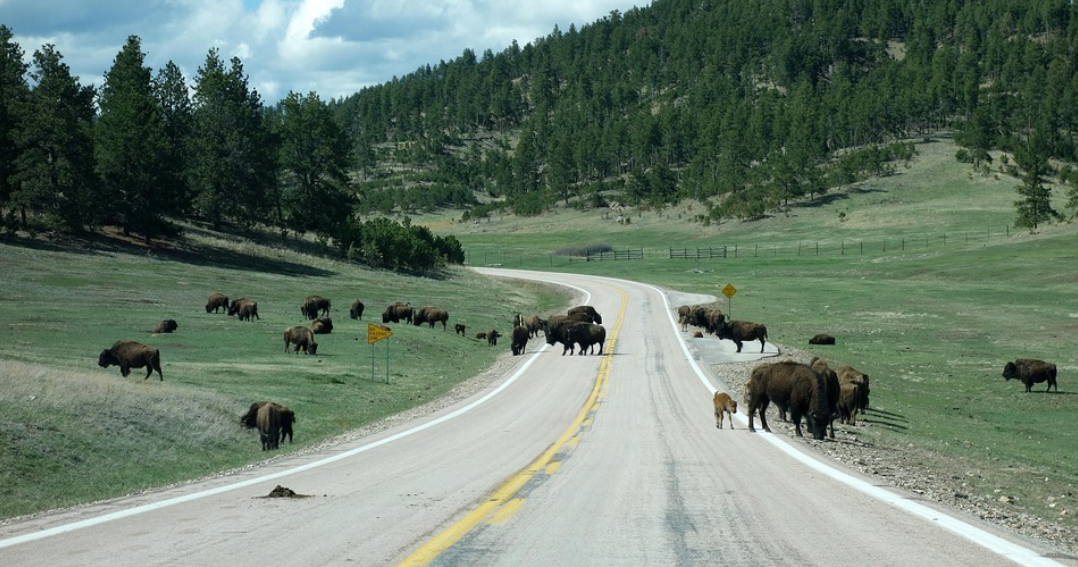
bison herd Yellowstone roadYellowstone has five entrances, and which one you use can shape your whole route. Entering from the north near Gardiner puts you close to Mammoth Hot Springs, while the east and south entrances are better suited to visitors coming from Grand Teton or Cody. Fuel up before entering if you can, since gas stations inside the park are limited and lines form quickly during peak months. Traffic jams caused by bison or elk near the road are common and part of the experience, so building extra time into any drive is wise.

Lodging, Food, and Booking Early

Rooms and campsites inside the park fill up far in advance, often a year ahead for the most popular lodges. Gateway towns like West Yellowstone, Cody, and Gardiner offer more flexible options if in-park lodging is sold out, though that means a longer commute each day. Pack food for long stretches between restaurants, and don’t count on reliable cell service once you’re away from the main developed areas.

Packing for Mountain Weather

Even in July, mornings can start near freezing before warming into the 70s by afternoon, and sudden rain or hail is common at higher elevations. Layers, sturdy footwear, and rain protection matter more than anything stylish. A basic first-aid kit and bear spray are worth carrying on any hike away from boardwalks.

Start with a short list of the two or three sights you care about most, then build the rest of the trip around reaching them without rushing. Yellowstone rewards patience far more than it rewards trying to see everything at once.